Energy developments in the Brașov region reflect broader transitions happening across Romania and Europe, with implications for both residents and visitors. From renewable energy projects harnessing mountain winds and rivers to evolving infrastructure affecting how travelers reach and explore the area, energy topics increasingly intersect with tourism and daily life in Transylvania.
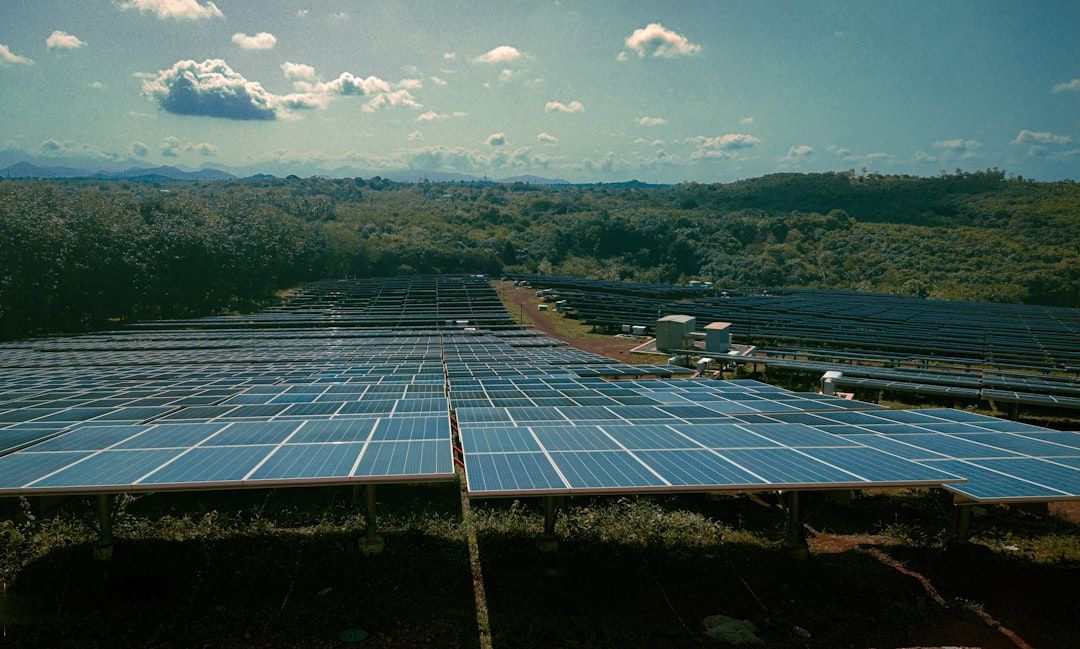
The Carpathian Mountains create significant potential for renewable energy generation. Wind farms have been developed on ridge lines where consistent mountain breezes provide reliable power generation. Small-scale hydroelectric projects on mountain rivers continue traditions of water-powered mills while contributing to the modern grid. Solar installations have expanded on both commercial and residential buildings as technology costs decline and environmental awareness grows.
Energy infrastructure affects visitor experience in various ways. Electric vehicle charging networks have expanded along major routes and within Brașov, enabling EV travelers to explore the region. Some accommodations have invested in renewable energy systems, using this as a point of differentiation for environmentally conscious guests. Winter heating requirements remain significant in the mountain climate, with choices between wood, gas, and electric systems carrying different environmental implications.
Romania's energy landscape has gained particular attention following regional geopolitics. The country's mix of domestic natural gas production, nuclear power, hydroelectric generation, and growing renewables positions it differently than neighbors more dependent on imports. These factors affect both national policy discussions and local economic conditions that visitors encounter through prices and availability of services.
Energy efficiency in historic buildings presents unique challenges relevant to Brașov's architectural heritage. Retrofitting centuries-old structures with modern insulation and heating systems requires balancing comfort, cost, and preservation. Some restoration projects have demonstrated innovative approaches that other historic cities study as models.
For visitors, energy considerations appear in practical forms: charging electric vehicles, finding accommodations with sustainable energy practices, understanding heating and cooling realities in mountain climate, and observing how communities balance development with environmental values. Energy choices made by tourism businesses increasingly influence traveler decisions as awareness of carbon footprints grows.
Our energy coverage examines these topics as they affect both Brașov residents and visitors, from practical guidance about EV infrastructure to broader stories about how the region navigates energy transitions while maintaining its appeal as a destination.