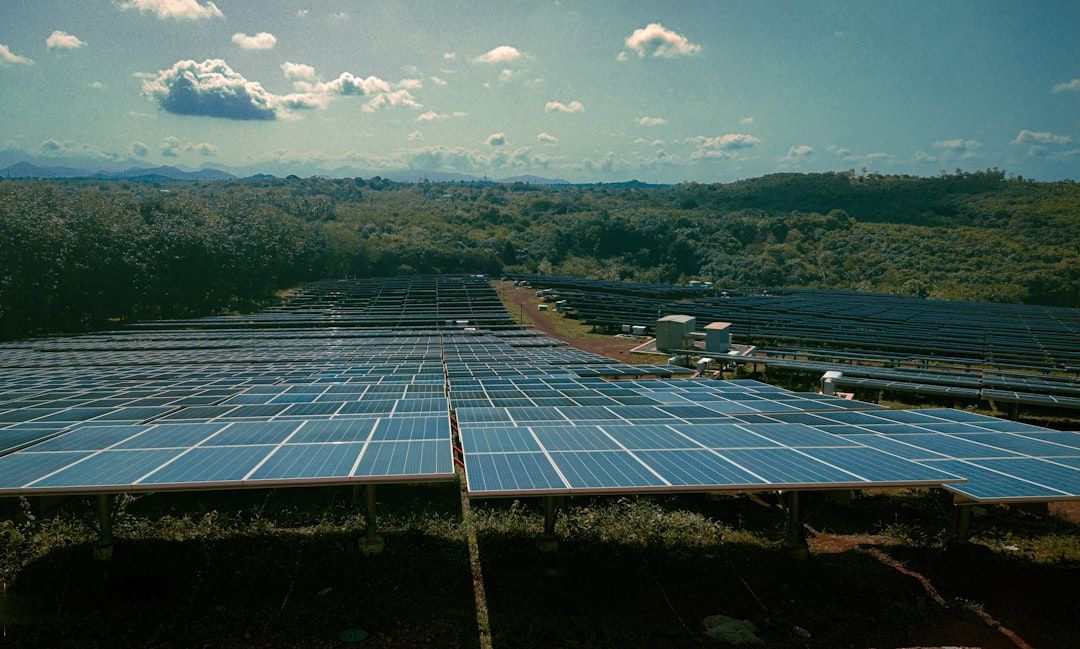
Sustainability in Brașov encompasses the growing movement toward environmentally responsible tourism, local business practices, and community initiatives that aim to preserve the region's natural and cultural heritage for future generations. As one of Romania's most visited destinations, Brașov faces the challenge of balancing tourism growth with ecological limits—making sustainable approaches increasingly relevant to both residents and visitors.
The tourism industry around Brașov has begun embracing sustainable practices at various scales. Some accommodations have achieved environmental certifications, implementing energy efficiency measures, waste reduction programs, and sourcing from local suppliers. Tour operators increasingly offer experiences designed to minimize environmental impact while maximizing authentic engagement with nature and culture. Restaurants featuring locally sourced ingredients reduce transportation emissions while supporting regional farmers and preserving culinary traditions.
Transportation represents a significant sustainability challenge and opportunity in the Brașov region. The city's compact old town rewards walking, while local buses provide alternatives to private cars for reaching nearby attractions. The new Brașov Airport, while increasing accessibility, also brings questions about balancing connectivity with carbon footprints. Electric vehicle charging infrastructure has expanded, and some tour operators now offer electric or hybrid vehicles for excursions.
Community initiatives address sustainability from grassroots perspectives. Farmers markets connect urban consumers with rural producers, shortening supply chains and supporting traditional agriculture. Craft cooperatives preserve artisanal skills while providing sustainable livelihoods. Urban greening projects improve air quality and livability. Waste management programs tackle recycling challenges in a country still developing comprehensive systems.
The built environment presents both challenges and opportunities for sustainability. Historic preservation, while primarily culturally motivated, often proves inherently sustainable by maintaining existing structures rather than constructing new ones. Some renovation projects incorporate energy efficiency improvements within heritage constraints. New developments face pressure to meet higher environmental standards as awareness grows among residents and visitors alike.
Visitors can engage with sustainability through their choices throughout their trip. Selecting accommodations with demonstrated environmental commitments, choosing walking and public transport over taxis when practical, patronizing restaurants using local ingredients, purchasing directly from artisans rather than imported souvenirs, and properly managing waste all contribute to more sustainable tourism patterns.
Our sustainability coverage highlights businesses and initiatives leading the way, provides practical guidance for environmentally conscious travelers, and explores the broader context of sustainable development in Transylvania. While perfect sustainability remains aspirational, incremental progress through countless individual choices can shift the region's trajectory toward a more resilient future.