


On this page
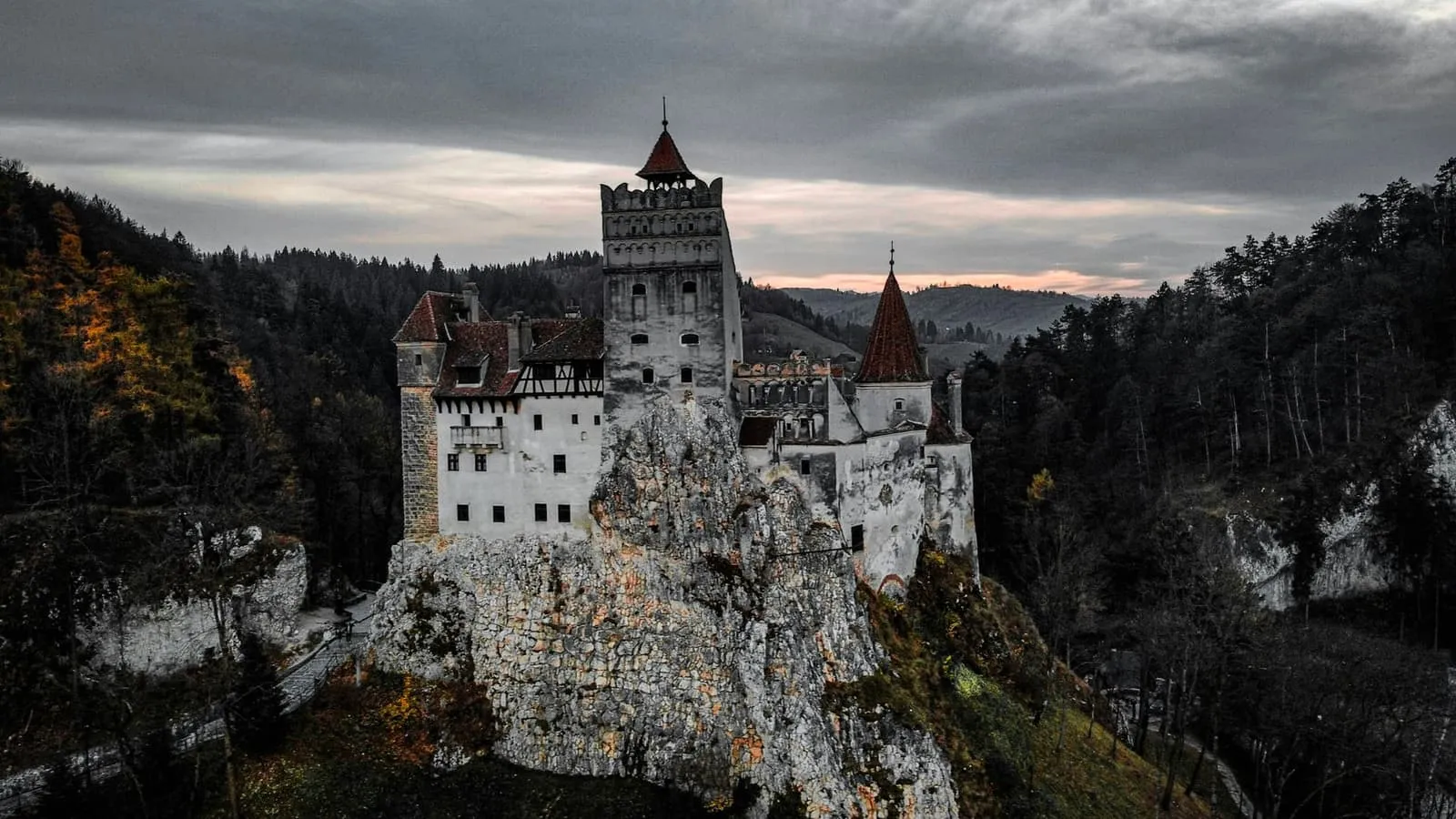
An adult Standard Tour ticket to Bran Castle costs 100 lei (about €20), and 1–2 hours is enough to see it. Last entry is at 19:00 in summer and 18:00 in winter. The people of Brașov built it as a customs fortress in 1377–1388, and much later it became Queen Marie’s summer home. As for Dracula, there’s no record that Vlad the Impaler ever lived here.
This guide contains affiliate links. If you book through them, we earn a commission at no extra cost to you. How we work
Advertisement
This guide covers tickets, what you’ll see inside and the real history. For buses, driving and the last bus back, see how to get to Bran Castle from Brașov. Both guides are part of our day trips from Brașov.
Is it worth it?
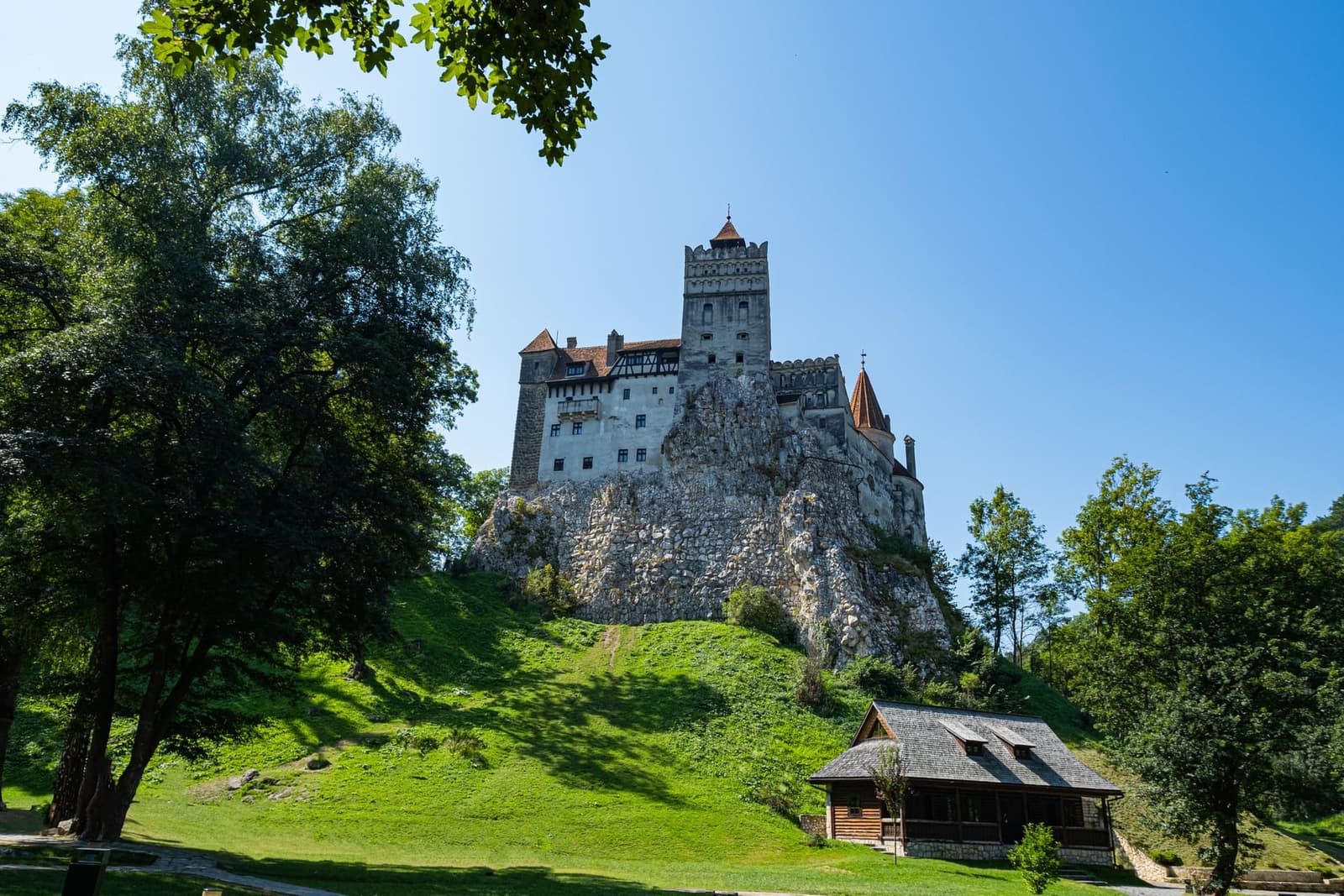
Yes, if the castle itself interests you. It’s a compact medieval border fort on a rock above one of the old passes between Transylvania and Wallachia, remodelled in the 1920s into a lived-in royal retreat. The rooms are small and the route is short, so it makes an easy half-day trip from Brașov.
If you’re coming only for Dracula, skip it or lower your expectations. There’s very little real Vlad Țepeș history here, and the vampire theme is marketing laid over the true story. For grand palace interiors, Peleș Castle in Sinaia is the bigger day out.
Getting there from Brașov
Bran is 30 km south-west of Brașov on the DN73. Transbus buses leave Autogara 2 every hour on the hour from 07:00 to 21:00. A ticket costs 15 lei and the ride takes about 55 minutes. Keep an eye on the time, because the last bus back leaves Bran at 19:38. By car it’s about 35 minutes. You’ll find timetables, parking and taxis in our Brașov to Bran Castle guide.
Tickets and hours
These prices come from the castle’s website, checked on 10 October 2026:
| Ticket | Adult | Child (5–17) | What’s included |
|---|---|---|---|
| Standard Tour | 100 lei | 40 lei | Castle and Royal Park |
| Royal Tour + Fast Pass | 170 lei | 110 lei | Separate entry lane, Time Tunnel, Torture Rooms, souvenir photo |
| Guided Royal Tour + Fast Pass | 210 lei | 150 lei | As above, plus a guided tour in English or Romanian every hour on the hour |
- Other Standard Tour prices: students with a student card pay 60 lei and seniors 65+ pay 70 lei. School groups of 20 or more pay 30 lei per child. Children under 5 and disabled visitors go free.
- Add-ons to the Standard Tour: the Time Tunnel costs 30 lei and the Torture Rooms 30 lei. You can add either one at the entrance.
- Hours: from 1 April to 1 November it’s open Tuesday to Sunday 09:00–19:00 and Monday 12:00–19:00. From 2 November to 31 March it’s Tuesday to Sunday 09:00–18:00 and Monday 12:00–18:00. The castle gives the end times as last entry. There’s no weekly closing day on the schedule, but special events can cut a day short: on 7 November 2026, last entry is 15:00.
- ID: bring ID for children’s and seniors’ tickets, and a student card for student tickets.
- Booking: you can buy online at bran-castle.com. The castle warns that tickets often sell out well in advance, especially in summer.
What you’ll see
There’s no guide on the Standard Tour. You follow the route through the castle at your own pace, then head out into the Royal Park.
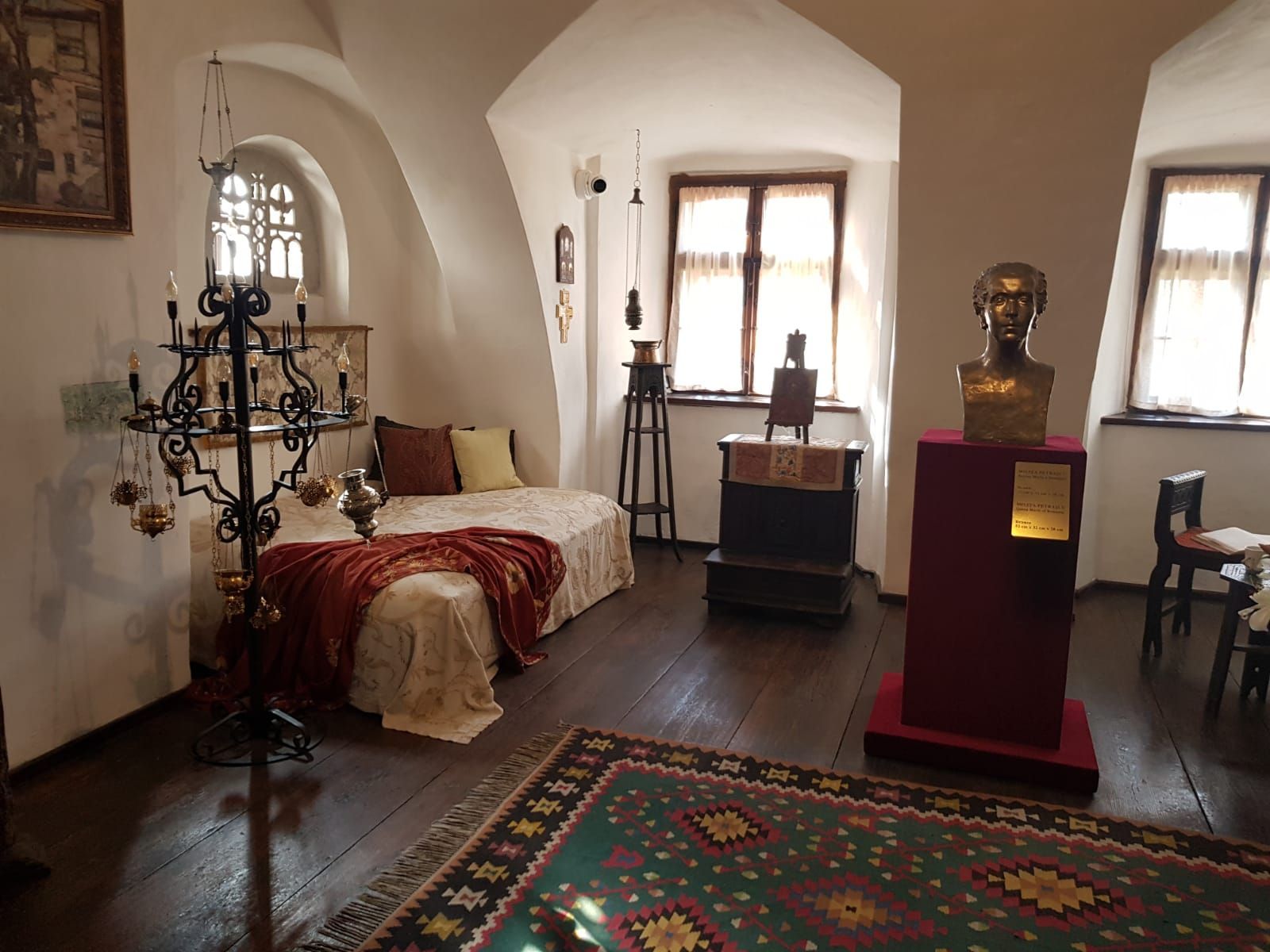
- The castle rooms. In 1920 the city of Brașov gave Bran to Queen Marie, and she restored it as a family home. She added a spiral staircase between the upper floors and furnished the rooms with carved furniture by local Saxon and Romanian craftsmen, along with ceramics, stained glass and textiles. Expect whitewashed vaulted rooms, wooden floors and small windows looking out over the valley, not palace halls.
- The courtyard and the well. The inner courtyard is the heart of the medieval fort. Its well is 57 metres deep, which is why water later had to be pumped up from springs in the valley.
- The Time Tunnel (add-on, 30 lei). Queen Marie had arthritis, so a lift was installed to take her between the castle and the park. The Time Tunnel follows that route through the old well shaft, with a multimedia show on the castle’s history. It’s included in Royal Tour tickets, and you get a souvenir photo printed at the end.
- The Torture Rooms (add-on, 30 lei). A display of punishment devices in the older stone chambers, including a spiked chair, a rack, thumbscrews and an iron maiden. The castle is upfront about it: the objects represent the era in general, not things that happened at Bran, and the rooms were more likely used for storage, for guards or for holding smugglers.
- The Royal Park. Below the castle is Queen Marie’s English-style park, which had two ponds and a tea house. Every ticket includes it. At the foot of the castle you’ll find the Queen Maria’s Tea House restaurant.
Advertisement
The real history
Bran sits at the top of a pass that was one of the main trade routes between Transylvania and Wallachia. The timeline below follows the castle’s own historical chronology.
- 1211–1225: The Teutonic Knights hold the Burzenland (Țara Bârsei) around Brașov and build a first fortification at Bran before they are expelled.
- 19 November 1377: King Louis I of Hungary grants the people of Brașov the right to build a castle here, and calls on the Saxons of the whole district to help. In German it was Törzburg, in Hungarian Törcsvár.
- 1388: Construction is finished. The castle is both a customs post, keeping 3% of the value of goods crossing the border, and a fortress against Ottoman raids.
- 1407: Sigismund of Luxembourg gives the castle to Mircea the Elder of Wallachia as a refuge. Sigismund takes it back in 1419, after Mircea’s death.
- 1498: Brașov lends the king 1,000 florins in return for ten years’ use of the castle and its customs income.
- 1651: Brașov buys the castle outright from Prince George Rákóczi II.
- 1836: The border moves up to the mountain ridge, and Bran loses its military and customs role.
- 1 December 1920: Brașov’s city council, under mayor Karl Schnell, gives the castle to Queen Marie of Romania.
- 1920–1932: The castle is turned into a royal summer residence, with works coordinated by the Czech architect Karel Liman. A small hydroelectric plant on the Turcu stream brings electric light to the castle and the nearby villages in 1932.
- 1938–1948: After Marie’s death in 1938 the castle passes to her daughter, Princess Ileana. In 1940 Marie’s heart was brought from Balchik and placed in a chapel across the valley (it has since been moved). Ileana ran a hospital in Bran during and after the war, until the communist regime forced her into exile in 1948.
- 1956: The castle becomes a state museum.
- 2006–2009: After a court case, the castle is returned to Ileana’s heirs. It’s now run by the family’s Bran Domain Management Company.
The castle counts about a million visitors a year, and says a new restoration programme started in 2026.
Dracula: fact vs fiction
Bran is sold as “Dracula’s Castle”, so it helps to pull apart three different things: Bram Stoker’s novel, the real Vlad III and the castle itself.
The novel. Count Dracula is a fictional vampire from Bram Stoker’s Dracula, published in 1897. Stoker never visited Romania. In the book, the Count’s castle stands near the Borgo Pass in northern Transylvania, nearly 200 km north of Bran as the crow flies. According to National Geographic, Stoker came across the name in 1890 in William Wilkinson’s 1820 book on Wallachia and Moldavia, which said that “Dracula” means “devil” in Wallachian.
Why Bran? The castle’s own answer is that it’s the only castle in Transylvania that fits Stoker’s picture of a fortress on a cliff above a river valley. It also suggests he may have seen an engraving of Bran in Charles Boner’s 1865 book on Transylvania, though it presents this as a suspicion, not a documented source. Local belief in strigoi, spirits of the living dead, gave the legend its folklore.
The real Vlad. Vlad III Țepeș, prince of Wallachia (1448, 1456–1462 and 1476), took his “Dracula” name from his father’s membership of the Order of the Dragon. His armies did use the Bran pass, and he fought Brașov’s Saxons in 1456–1460.
But no document shows that he owned, lived in or captured Bran Castle, and the castle itself says this isn’t known. The story that he was held here for two months in 1462 comes from a 2002 book quoted by the castle, not from a record of the time. National Geographic puts it more bluntly: the castle has no connection to him.
What to take from it: come for the medieval customs fort and Queen Marie’s home, and treat the Dracula theme as the gift shop’s story. For the documented history of Vlad and Brașov, from trade wars to the letters he sent the city council, read our guide to Vlad Țepeș and Brașov.
Tips
- Book online for summer weekends. The castle warns that tickets sell out well in advance in the summer months.
- Mondays start at 12:00. On other days the castle opens at 09:00, so on a Monday plan your visit for the afternoon.
- Travel light. Security is tighter than usual, and the castle asks you to bring as little luggage as possible. Pets aren’t allowed, except service animals.
- Halloween is a different visit. From 24 October to 1 November the castle runs themed tours at different prices, with the highest on 31 October.
- Watch the last bus. If you came by bus, the last one back to Brașov leaves Bran Centru at 19:38, so don’t linger too long.
Combine it with
- Râșnov: on the same road, about 13 km before Bran. The citadel itself is closed for restoration. Only its garden and the Báthory Tower are open (10 lei, card only, under-12s free, as of the town hall’s August 2025 notice). Details are in our Bran transport guide.
- Zărnești and the Libearty bear sanctuary: a short drive from Râșnov. See our Libearty guide.
- Peleș Castle: in Sinaia, on a different road out of Brașov. Doing both in a day only works with a car or a tour; see Bran and Peleș in one day.
FAQ
How much is the entrance to Bran Castle?
100 lei for an adult Standard Tour, 60 lei for students, 70 lei for seniors 65+ and 40 lei for children aged 5–17. Children under 5 go free. The Royal Tour with Fast Pass costs 170 lei.
Do I need to book Bran Castle tickets in advance?
In summer, yes. The castle says tickets often sell out well in advance in the summer months, and it recommends buying online to guarantee entry and get the best price.
How long do you need at Bran Castle?
Allow 1–2 hours for the castle and the park, and half a day including the trip from Brașov.
Is Bran Castle open on Mondays?
Yes, from 12:00. On other days it opens at 09:00.
Did Dracula live in Bran Castle?
No. Count Dracula is fictional, and there is no record that the real Vlad the Impaler lived in, owned or captured the castle.
What is the Time Tunnel?
A 30-lei add-on that takes you from the castle down to the park along the route of Queen Marie’s lift, through the old well shaft, with a multimedia show on the castle’s history. It’s included in the Royal Tour tickets.
Who owns Bran Castle?
The heirs of Princess Ileana of Romania, to whom it was returned in 2006. The family’s Bran Domain Management Company runs it.
Sources
- Bran Castle: plan your visit (prices, hours, access), tickets, historical chronology, Queen Marie, Torture Exhibit and Count Dracula
- National Geographic: Vlad the Impaler’s thirst for blood was one inspiration behind Count Dracula
- Bram Stoker, Dracula (1897)
Advertisement
What changed
- Rewritten with 2026 ticket prices, opening hours and add-ons, a sourced history of the castle and the Dracula fact-versus-fiction section moved here from our Vlad Țepeș guide.


